Kenya is transitioning from sovereign debt-funded infrastructure toward private capital, PPP structures, and asset monetization. The country is positioning infrastructure as an investable asset class. This creates opportunities for institutional investors, private operators, and cross-border capital partnerships.
Key Trends: • Expansion of PPP models in hospitals, roads, and energy • Increased interest in infrastructure bonds and securitized assets • Growing climate finance eligibility across energy, agriculture, and water
2. Renewable Energy Project Management (Kenya Reality)
Solar: Fastest deployment and strong donor and climate fund eligibility. Best models include solar + battery farms, solar irrigation clusters, and solar mini-grids for schools and clinics.
Wind: Long-term base-load complement to hydro and solar. Coastal and northern corridors present strong future potential.
Hydro: Rehabilitation of existing hydro assets provides faster ROI than new dam construction. Lower political and environmental risk
3. Civil Works Strategy (Roads, Bridges, Transport Corridors)
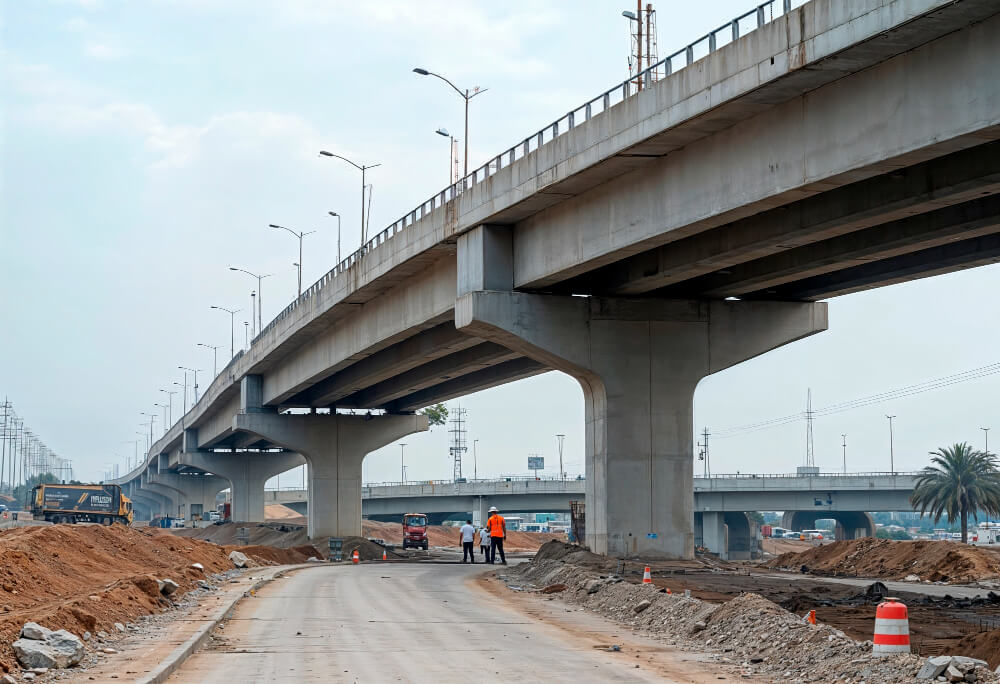
Kenya has strong EPC experience with growing local subcontract ecosystems. The strategic shift is moving toward concession models, toll roads, and maintenance PPP structures rather than full sovereign-funded infrastructure.
Future Opportunity: • Corridor logistics infrastructure linked to ports, dry ports, and mining zones • Smart transport and intelligent toll systems
• Infrastructure as a tradable asset class • Carbon credit monetization linked to energy and agriculture projects • Pension fund diversification into infrastructure and equities • Climate-linked development financing • Energy storage and green hydrogen long-term potential
8. Strategic Positioning for Cross-Border Operators
For logistics, mining, and infrastructure-linked companies operating across East and Central Africa:
High-Value Positioning: • Energy supply linked to mining operations • Logistics infrastructure tied to mineral corridors • ESG and community impact programs linked to operational license